Our History
The Episcopal Free Fellowship of America (EFFA) was founded in 2013 by Archbishop Rafael Seijo and Bishop Edward Vaughan as a historically rooted American province, drawing on Archbishop Seijo’s episcopal succession through the Brazilian Catholic Apostolic Church and the wider Independent Sacramental Movement (ISM). Originally known as the Anglican Free Fellowship, we sought from the beginning to cultivate safe, inclusive faith communities centered on the teachings of Jesus and the fruits of the Holy Spirit, in contrast to alarming elements of American church culture shaped by nationalism, legalism, and spiritual toxicity, and we drafted the Creed of Charismata (The Believer’s Creed: A Confession) to express our distinctive, generously orthodox, sacramental, and mission‑minded Anglican identity. Archbishop Seijo served as Provincial Archbishop until his retirement on his seventy‑fifth birthday, January 8, 2019, when he installed Bishop Vaughan as his successor, ensuring continuity in leadership and in EFFA’s multi‑line apostolic succession.
For a season our province aligned with the Anglican Free Fellowship International, a global communion sharing our historic roots in the Free Protestant Episcopal Church of England tradition, before discerning in 2025 to reorganize as a newer province within Table of Christ: An Interdependent Sacramental Communion, giving us greater freedom to partner with other ISM bodies, provide a safe, accountable provincial home for congregations and clergy, and deepen our focus on justice and mission.
In that wider story, the ISM emerged in the late nineteenth century as new Anglican‑, Orthodox‑, and Roman Catholic‑heritage jurisdictions arose in places such as Utrecht, England, South Asia, South America, and the United States in response to colonialism, state establishment, and distant church authorities that ignored local cultures and pastoral realities, and our bishops continue to share in those diverse apostolic lines so that our ministry stands in living continuity with the first‑century Church—Episcopal in structure, yet truly Free, with local communities empowered to remain autonomous and unbound by heavy‑handed oversight or nationalistic identity.
We value the Anglican “Via Media”, the middle way that welcomes a diversity of theological perspectives while keeping the Apostles’ and Nicene Creeds at the center of our shared faith, and we embrace a Christ‑centered reading of Scripture that takes Jesus’ command to love God and to love our neighbors as the clearest guide for how we believe, worship, and live together.
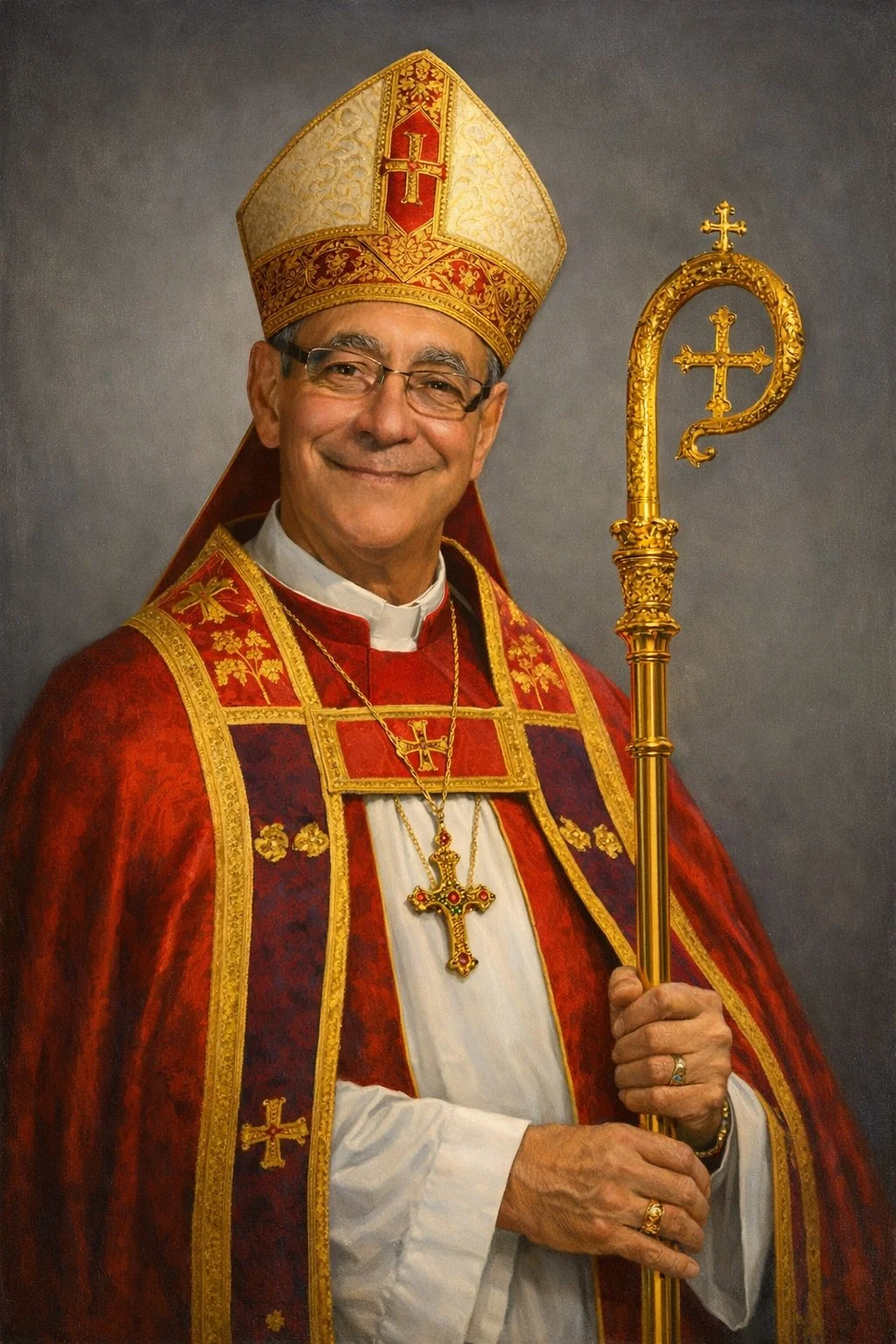
Our Archbishop
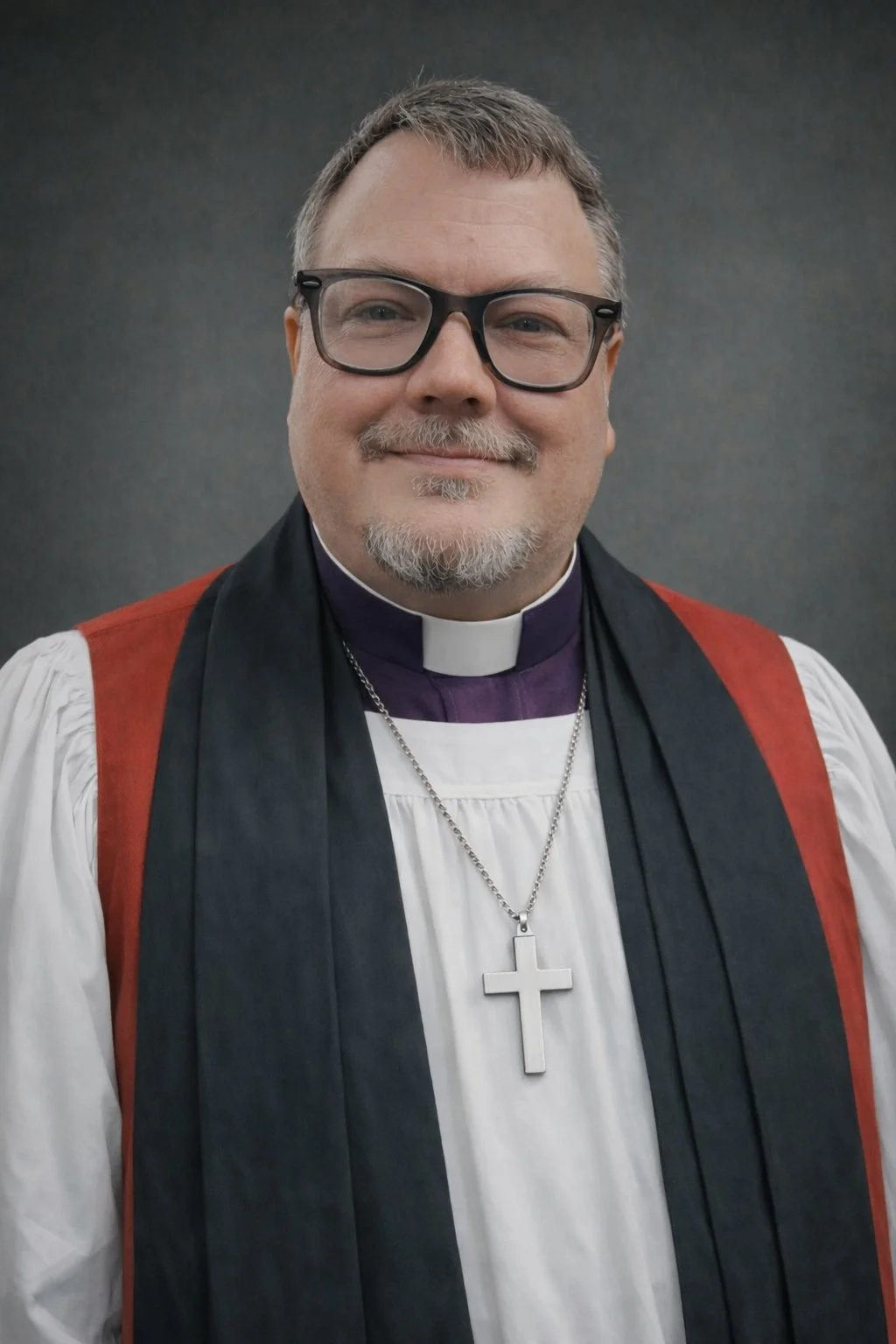
Edward Vaughan is the Archbishop of the Episcopal Free Fellowship of America (EFFA) and Bishop of the Diocese of St. Patrick, serving a Christ-centered, inclusive Anglican province rooted in the Great Tradition and committed to doing justice, loving mercy, and walking humbly with Christ our neighbor. Formed in the Anglican “Via Media,” he leads a province that holds together historic creedal faith, sacramental worship, and a deep concern for those harmed or excluded by institutional religion.
Raised in Danville, Virginia, Archbishop Vaughan has been involved in volunteer ministry since the age of 18, serving in multiple church contexts that have given him a broad and empathetic pastoral lens. After a decade of spiritual deconstruction and reconstruction, he embraced his long discerned call to ordained ministry, drawn to a sacramental life that integrates historic liturgy, thoughtful theology, and practical care for everyday people.
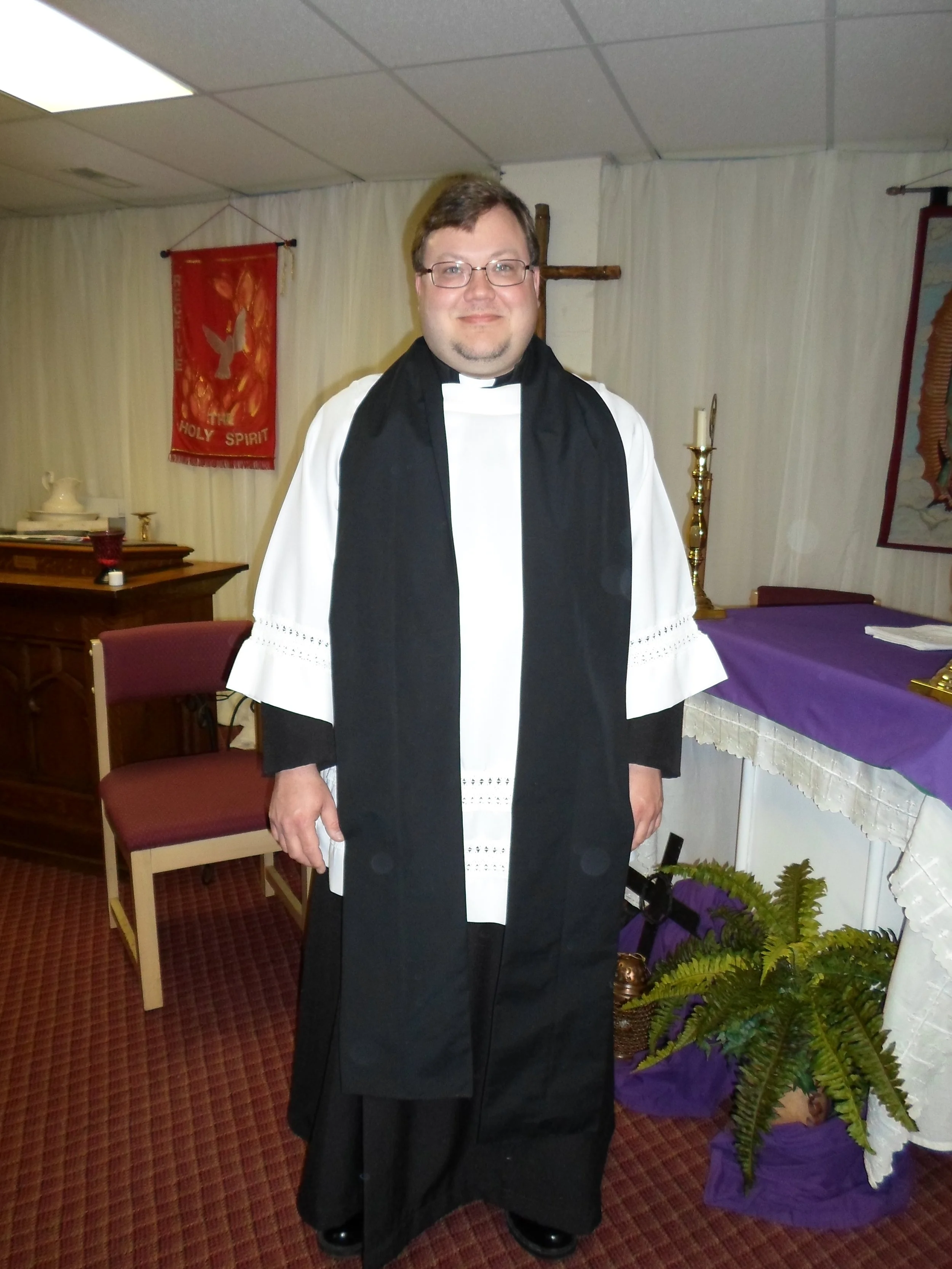
In 2010, he was invited into the Independent Sacramental Movement (ISM) by Archbishop Rafael Seijo, who felt called to move away from institutional self-preservation toward a deeply Christ-centered church. That vision emphasized welcoming women and the LGBTQIA+ community into leadership, prioritizing community volunteer work, engaging in marketplace ministry, and forming monasti Communities committed to prayer and service. Vaughan was ordained to the diaconate in 2012 in Old Hickory, Tennessee, serving at St. Francis Old Catholic Church, where he cultivated a servant-hearted ministry of preaching, pastoral care, and practical works of mercy. In 2013 he was ordained to the priesthood, and Archbishop Seijo began intentionally mentoring him as his eventual successor, shaping his episcopal vision around collaborative leadership, pastoral accountability, and mission beyond church walls.
That same year, Archbishop Vaughan joined Archbishop Seijo in founding what is now the Episcopal Free Fellowship of America, originally known as the Anglican Free Fellowship. From the beginning, EFFA was conceived as a historically rooted American province drawing on Archbishop Seijo’s episcopal succession through the Brazilian Catholic Apostolic Church and the wider ISM, while seeking to cultivate safe, inclusive faith communities centered on the teachings of Jesus and the fruits of the Holy Spirit. In contrast to troubling patterns in American church culture marked by nationalism, legalism, and spiritual toxicity, they drafted the Creed of Charismata (The Believer’s Creed: A Confession) to articulate a generously orthodox, sacramental, mission minded Anglican identity that affirmed the dignity and the belovedness of every person.
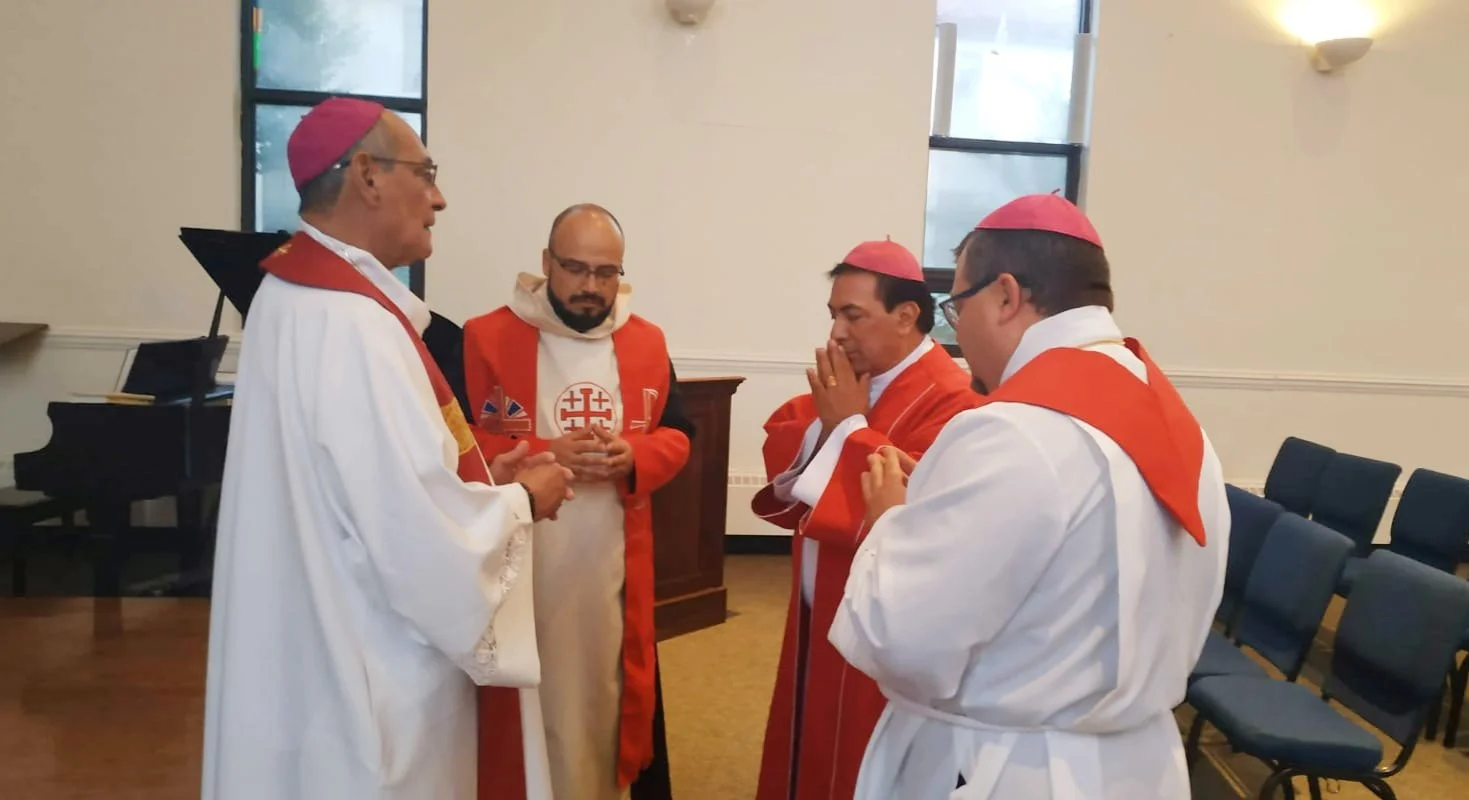
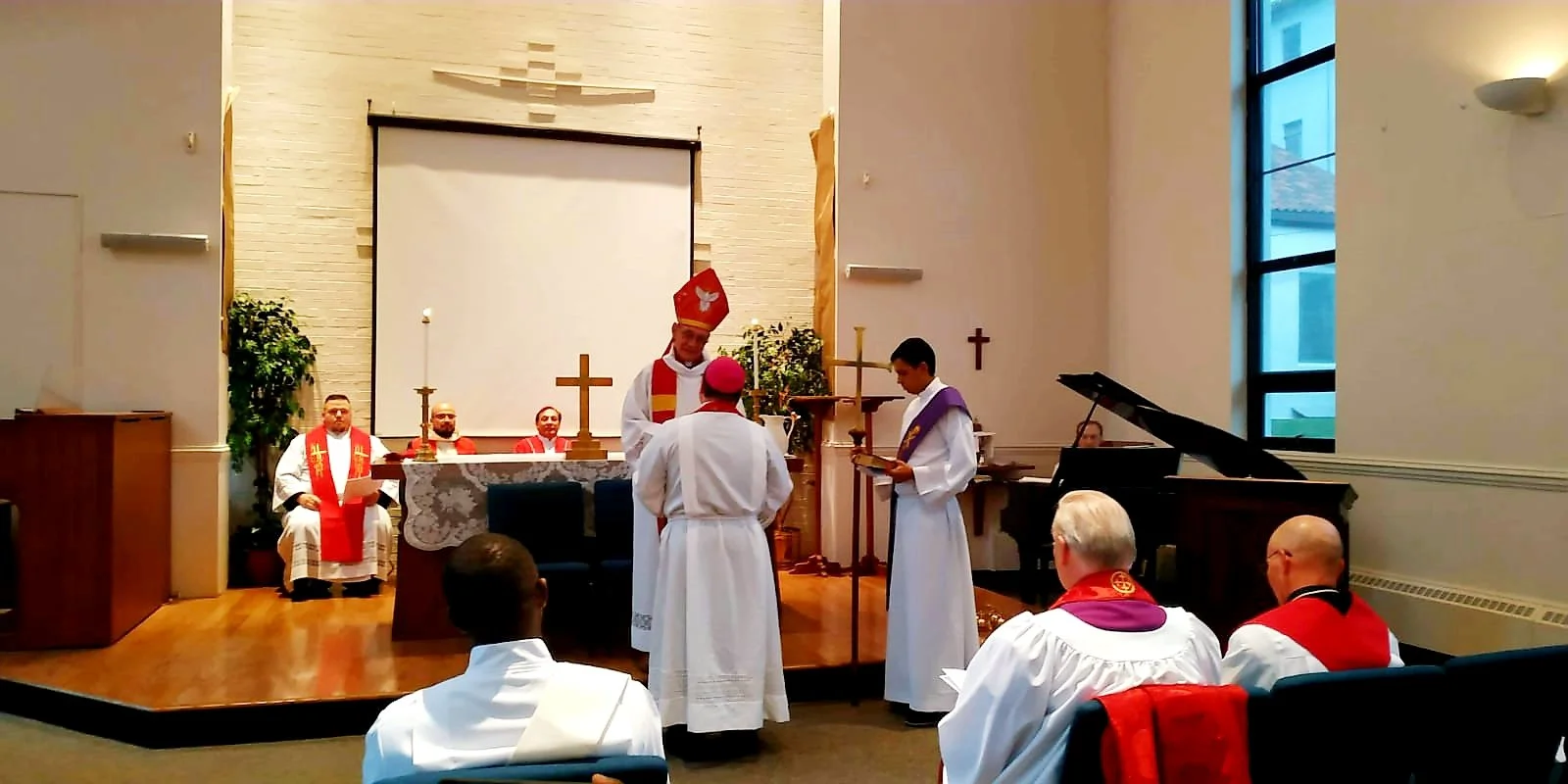
In 2016, EFFA aligned for a season with the Anglican Free Communion International, a global communion sharing its historic roots in the Free Protestant Episcopal Church of England tradition. During this period, Archbishop Seijo named Vaughan Bishop Coadjutor to prepare him for future provincial leadership. On his seventy-fifth birthday, January 8, 2019, Archbishop Seijo retired and installed Bishop Vaughan as Provincial
Archbishop, ensuring continuity in both leadership and EFFA’s multiline apostolic succession. In 2025, as the Anglican Free Communion began to drift from its original inclusive culture, Archbishop Vaughan guided EFFA in discerning a new path: reorganizing as a newer province within Table of Christ: An Interdependent Sacramental Communion. This shift gave EFFA greater freedom to partner with other ISM bodies, Offer a safe and accountable provincial home for congregations and clergy, and deepen its focus on justice, inclusion, and mission.
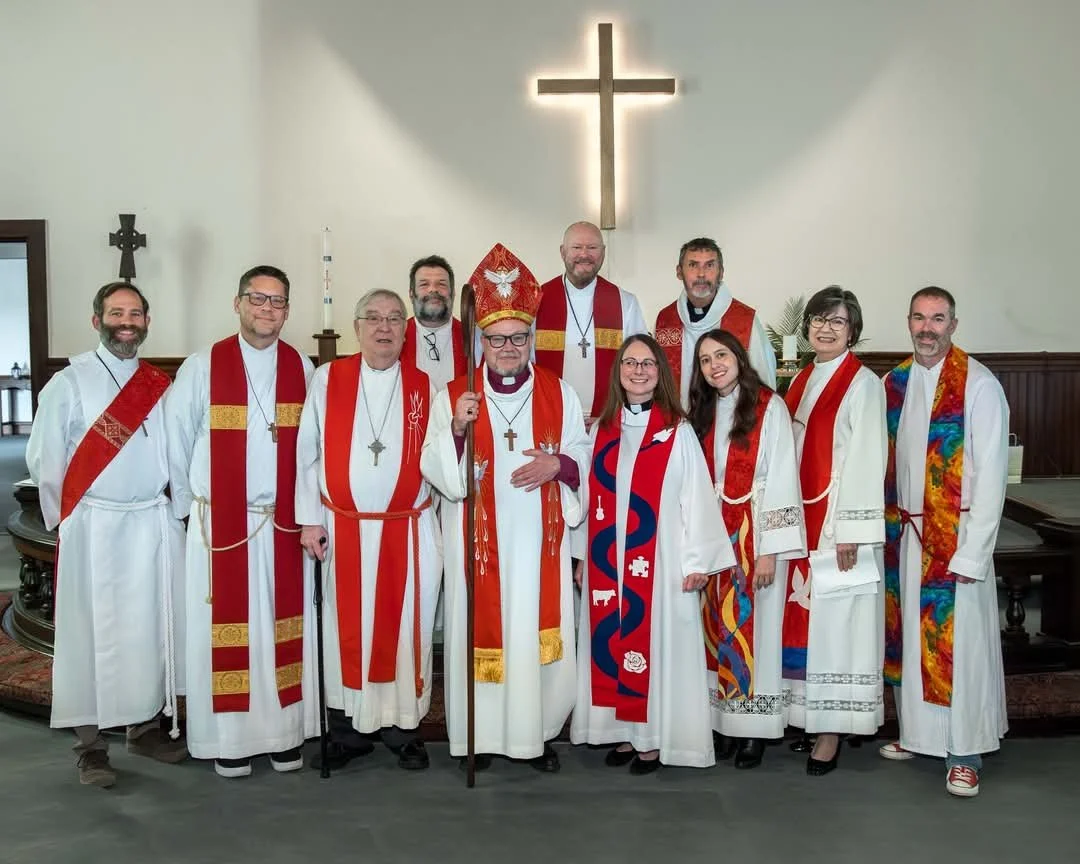
Within that wider story, Archbishop Vaughan understands the Independent Sacramental Movement as a legacy of late nineteenth and twentieth century Anglican, Orthodox, and Roman Catholic heritage jurisdictions that emerged in places such as Utrecht, England, South Asia, South America, and the United States. These communities arose in response to colonialism, state establishment, and distant church authorities that neglected local cultures and pastoral realities. EFFA’s bishops, including Vaughan, continue to share in these diverse apostolic lines so that their ministry stands in living continuity with the first century Church: Episcopal in structure yet truly free, with local communities empowered to remain autonomous and unbound by heavy handed oversight or nationalistic identity.
EFFA, apostolic succession is not about prestige or ecclesiastical status; it is a visible sign that the church’s sacramental life, especially baptism, confirmation, ordination, and the Eucharist, stands in continuity with the wider catholic and apostolic tradition, even as it reaches toward those who have been excluded, wounded, or disillusioned by institutional religion. These converging lines of succession ground the province’s bold commitments to inclusion, justice, and pastoral innovation in a deeply rooted, historically conscious sacramental life.
Pastorally, Archbishop Vaughan has a particular heart for what he describes as “marketplace ministry.” In 2016 he began a dedicated wedding ministry, discovering that officiating weddings is a profound way to embody the love of Jesus on one of the most important and vulnerable days in people’s lives. This work has become a key expression of his vocation, allowing him to meet couples where they are, often outside formal church structures, and to demonstrate that sacramental grace and pastoral care belong not only inside a sanctuary but also in the ordinary spaces of life and celebration. Like many ISM clergy, he is multi-vocational: alongside his responsibilities as Provincial Archbishop and Bishop of the Diocese of St. Patrick, he works in human resources and continues to serve as a wedding officiant, bringing his theological training and pastoral sensibilities into everyday professional and relational settings. This bi=vocational pattern reflects EFFA’s emphasis on clergy who live and labor among the people they serve, modeling a sacramental presence in workplaces, neighborhoods, and public life.
Archbishop Vaughan’s ministry rests on substantial academic formation across several disciplines. He earned a Bachelor of Arts with a double major in History and Social Studies, along with his teaching credentials, from Averett University, giving him a strong grasp of historical context, social dynamics, and educational practice. He later completed a Master’s Degree in Theology from St. Mary’s Theological Seminary, an online ISM school, in 2013, deepening his engagement with Scripture, doctrine, and the spiritual traditions of the Church. He also holds an MBA from Columbia Southern University, providing him with tools in organizational leadership, administration, and strategic planning that serve EFFA’s life as a growing province. This combination of theological, educational, and business training equips him to shepherd a diverse network of communities with both pastoral sensitivity and practical wisdom, aligning governance and canon law with the province’s mission to be a Christ-centered, inclusive Anglican body.
Theologically and spiritually, Archbishop Vaughan is shaped by a wide range of Christian voices, including Henri Nouwen, Thomas Merton, Billy Graham, and Tim Keller. From them he has drawn a contemplative posture toward God, a passion for evangelism, and a thoughtful, culturally engaged approach to preaching and teaching. He often returns to a quote from Rev. Charles Swindoll, “Life is 10 percent what happens to you and 90 percent how you respond”, which he first encountered on a magnet on his grandmother’s refrigerator. That line continues to guide his understanding of resilient, grace-filled discipleship and leadership amid both personal and ecclesial challenges.
Within the Anglican tradition, Archbishop Vaughan treasures the church’s historic faith, sacramental life, and reverence for the Eucharist, seeing them as means by which Christ forms communities of justice, mercy, and humility. Under his leadership, the Episcopal Free Fellowship of America seeks to be both rooted and reforming: anchored in the Apostles’ and Nicene Creeds and the Great Tradition, while actively welcoming those who have been marginalized; affirming the dignity and the belovedness of every person; and calling clergy and laity alike to live out Jesus’ command to love God and love their neighbors as the clearest guide to how the Church believes, worships, and lives together.